Skip to content




Choosing the right HVAC system is no longer just about size and brand. Today, terms like SEER, SEER rating, and SEER2 rating are at the core of understanding energy efficiency, monthly energy bills, and system performance.
Complete SEER2 Explained
With the Department of Energy (DOE) introducing new SEER2 standards in 2023, homeowners and businesses need clarity. This article explains how SEER and SEER2 ratings work, why they matter, and how they affect your comfort, energy savings, and long-term HVAC costs.
What is SEER and Why Does it Matter for HVAC Efficiency?
SEER stands for Seasonal Energy Efficiency Ratio. It measures the cooling output of an air conditioner or heat pump divided by the energy it consumes. In simple terms, the higher the SEER rating, the more energy efficient the unit is.
For homeowners, SEER isn’t just jargon. It determines how much you’ll pay on your energy bills during the peak heating and cooling months. For example, a 14 SEER system may cost hundreds of dollars more per year to operate compared to a 16 or 18 SEER system.
By learning what SEER ratings mean, you can install a new HVAC system that uses less energy, provides consistent comfort, and reduces wear on your equipment.
What Changed with SEER2 in 2023?
On January 1, 2023, the DOE (Department of Energy) implemented new efficiency standards. These require all air conditioners and heat pumps sold and installed in the U.S. to meet new SEER2 requirements.
The difference between SEER and SEER2 lies in new testing procedures. SEER2 measures performance under more realistic conditions with higher duct static pressure, providing a more accurate efficiency rating.
This shift means new air conditioners or heat pumps must meet minimum efficiency requirements under the SEER2 scale.
How Does SEER2 Rating Affect Energy Bills?
The unit’s SEER rating or SEER2 rating directly impacts your energy costs. The higher the SEER or SEER2, the less energy is required to cool or heat your home.
For example:
- A 10 SEER unit could cost $1,200 annually to cool a home.
- A 15 SEER2 system could reduce that by 30–40%, saving thousands over the unit’s lifespan.
Nationwide, the DOE estimates Americans will save $12.2 billion on energy bills thanks to the new requirements.
Why Did the DOE Introduce SEER2 Standards?
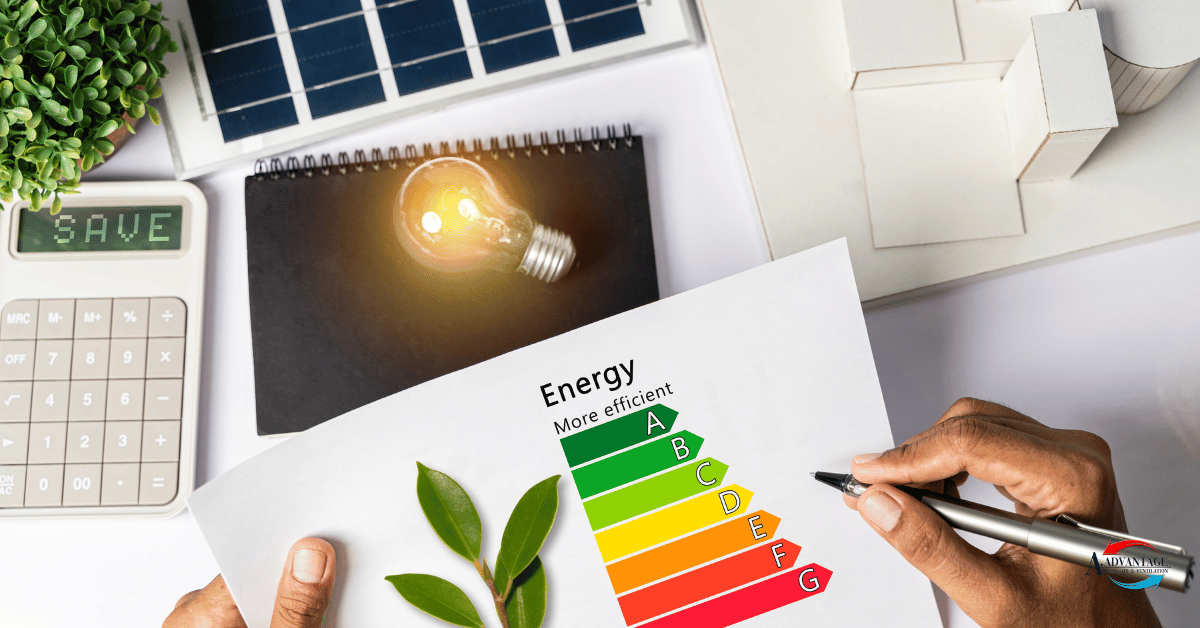
The DOE designed SEER2 standards to improve energy conservation across the U.S. HVAC industry. By raising the minimum efficiencies, the government ensures consumers buy equipment that performs as rated in real homes, not just in labs.
This means when you buy a new HVAC system, you’ll have more confidence that its efficiency metrics and energy guide labels match your actual experience.
What are the Minimum Efficiencies for 2023?
The new minimum efficiency standards vary by region:
- Split Air Conditioners (South-Central, including Oklahoma/Texas): 14.3 SEER2
- Heat Pumps: 15.0 SEER2
This ensures that all central air conditioners and heat pumps sold and installed meet the minimum SEER rating needed for today’s climate demands.
SEER vs SEER2: What’s the Difference?
Many homeowners ask: SEER vs SEER2 which matters more?
- SEER is the older testing system.
- SEER2 is the updated version that reflects real-world duct conditions.
While both indicate efficiency, SEER2 efficiency rating gives a more reliable estimate of how much energy your HVAC system will consume. The higher SEER2 rating, the better the performance.
How Does SEER Rating Affect Air Conditioners and Heat Pumps?
Both air conditioners and heat pumps are rated using SEER or SEER2. For heat pumps, an additional heating efficiency measure called HSPF rating or the updated HSPF2 rating applies.
This means when buying a new air conditioner or heat pump, you need to look at:
- Cooling efficiency (SEER2)
- Heating efficiency (HSPF2)
- EER rating (Energy Efficiency Ratio) for steady-state cooling performance
By comparing these, you can choose a high efficiency system that provides year-round comfort and consumes less energy.

What Role Does Installation and Maintenance Play in SEER2 Performance?
Even the highest SEER AC won’t perform correctly without proper installation, cleaning, and repair.
- A poorly installed system may fail to meet its rating system expectations.
- Dirty filters or blocked ducts can lower efficiency by 10–15%.
- Regular HVAC cleaning and repair ensures your system maintains its seer energy savings.
That’s why it’s critical to hire professional contractors who understand new efficiency standards and can provide reliable maintenance.
How to Choose Between SEER or SEER2 for a New Unit
If you’re planning to install a new HVAC system, should you look at SEER or SEER2? The answer is both.
- SEER2 is now the regulatory requirement, so all new units must meet seer2 standards.
- Higher SEER ratings (above minimums) still deliver energy savings.
When you compare models, check the air conditioner’s SEER and seer2 efficiency rating on energy guide labels. This helps you meet the new DOE rules while lowering your energy costs.
Does Higher Efficiency Always Mean Higher Savings?
Not always. While a high SEER or higher SEER ratings system uses less energy, the upfront cost may be higher.
- A 15 SEER unit may strike a balance between cost and efficiency.
- A new efficiency model with higher the SEER rating might pay off faster in hot climates.
Ultimately, your rating depends on factors like home size, insulation, and usage.
Rebates, Incentives, and Financing for High SEER2 Units
Many utilities and governments offer rebates for energy efficient systems. This includes:
- Federal tax credits for new air conditioner or heat pump installations.
- Local utility rebates for seer2 efficiency upgrades.
- Financing programs to spread out the cost of new HVAC equipment.
These programs make it easier to invest in high efficiency equipment that meets the new seer2 requirements.
How are SEER Ratings Calculated?
SEER rating is calculated by dividing the total cooling output of an air conditioner by the total electrical energy input during a typical season.
The DOE’s new testing simulates real ductwork, ensuring the seer2 vs seer comparison reflects actual performance. If a unit can consume less energy under test conditions, it will likely perform better in your home.
Common Misconceptions About SEER Ratings
- SEER isn’t everything: Other factors like duct design and insulation matter.
- Rating could mislead: Without proper installation or maintenance, even a high rating may not deliver savings.
- Note that the new DOE standards went into effect in 2023: Older units may no longer be sold and installed if they don’t meet minimum energy efficiency.
Conclusion: Why Understanding SEER Ratings Matters
Understanding SEER and SEER2 ratings is crucial for homeowners who want lower energy bills, long-lasting comfort, and compliance with new requirements. The DOE’s new seer2 standards ensure every new air conditioner or heat pump meets minimum efficiency requirements, while higher seer2 ratings provide even more energy savings.
Whether you’re scheduling HVAC repair, regular cleaning, or planning to install a new unit, knowing how seer energy efficiency metrics work ensures you make the smartest investment.