Skip to content




If you’ve ever asked yourself “what does HVAC mean?”, you’re not alone. For many Oklahoma City homeowners, the HVAC system is simply the comfort system that quietly keeps their homes livable year-round.
Quick What Is HVAC Mean Definition
From cooling during a blazing summer to warming on a freezing night, the HVAC system runs almost unnoticed. This article explains what HVAC stands for, how HVAC systems work, the different types of HVAC systems, and why proper repair, cleaning, and installation are so important for comfort and energy efficiency.
What is HVAC?
HVAC stands for Heating, Ventilation, and Air Conditioning. It refers to the mechanical systems used for moving air, controlling temperature, and improving indoor air quality.
- Heating system: Furnaces, boilers, or heat pump systems warm the home during winter.
- Ventilation: Brings in fresh air, removes stale air, and balances indoor humidity.
- Air Conditioning system: Keeps homes cool the moment Oklahoma’s summer heat arrives.
In short, HVAC is the backbone of comfort and air quality. Without HVAC systems, air inside homes would be unhealthy and unbearable during extreme weather.
How Do HVAC Systems Work?
An HVAC system works as a network of components that move air between indoor and outdoor spaces, heat or cool it, and distribute conditioned air throughout your home.
- Thermostat: The control system that regulates temperatures.
- Furnace or Heat Pump System: Provides heat when outdoor air is cold.
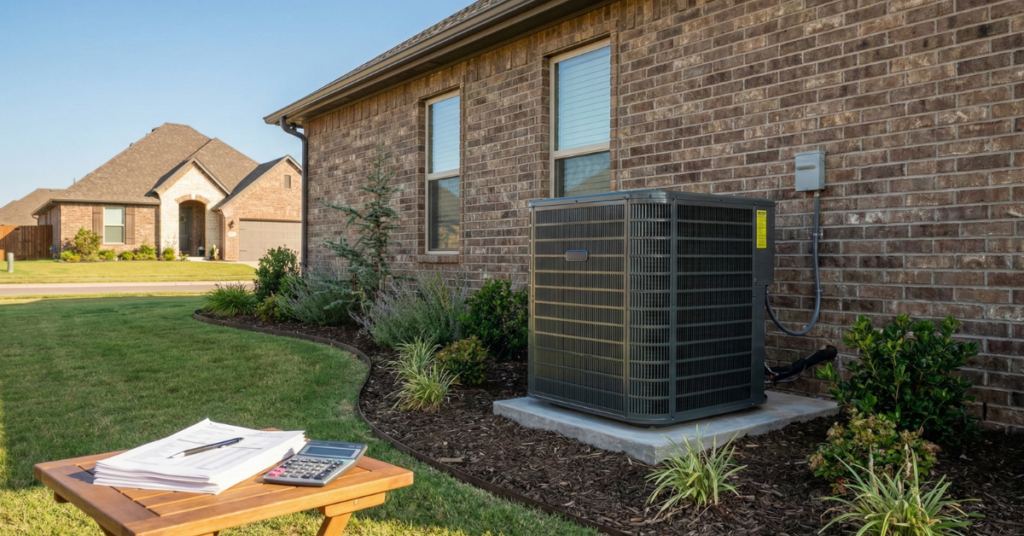
- Air Conditioner or AC Unit: Cools the air and controls humidity.
- Air Handler / Air Handling Unit: Circulates air throughout your home.
- Air Ducts and Vents: Deliver warm or cool air into different rooms.
- Air Filter: Traps dust, pollen, and other particles for cleaner indoor air quality.
Exactly does HVAC mean in practice? It means using energy-efficient systems to heat and cool homes, while mechanical ventilation ensures outdoor air flows in and stale air flows out.
Types of HVAC Systems
Not all HVAC systems are alike. Here are the most common types of HVAC systems used for residential and commercial comfort:
- Central Air Conditioning Systems: Use ducts to circulate air throughout your home. Central heating and AC systems are the most typical HVAC system for larger houses.
- Ductless Air Conditioning / Mini-Split Systems: Provide heating and cooling in specific rooms without ducts. A ductless system is perfect for remodels or room additions.
- Heat Pump Systems: Move heat instead of generating it, offering both heating and cooling.
- Hybrid Systems: Combine traditional air and electric systems, switching between them for efficiency.
- Commercial HVAC Systems: Larger and designed for warehouses or office spaces, where systems use more advanced control systems.
Different types of HVAC systems exist so homeowners can choose the right HVAC system for their specific needs.
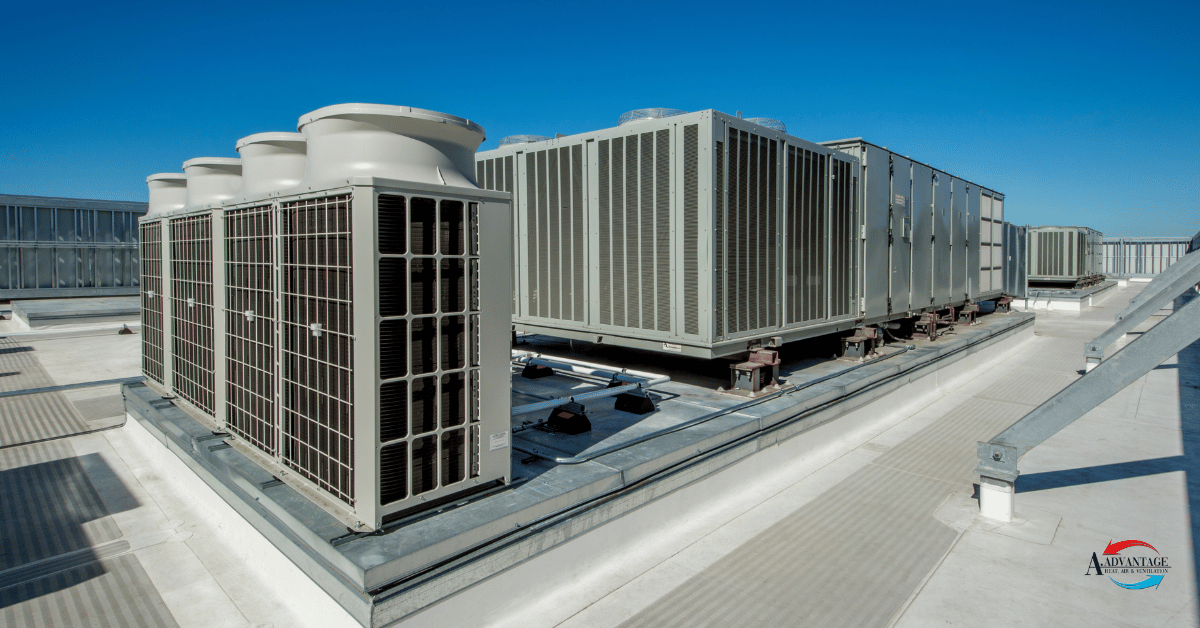
Components of an HVAC System
A typical HVAC system includes multiple HVAC components:
- Heating and air conditioning equipment
- Air ducts for moving air between indoor and outdoor air
- An air handler or split system for circulating conditioned air
- Filters for cleaning and maintaining indoor comfort and air quality
- A ventilation and air conditioning setup for fresh airflow
Knowing the purpose of an HVAC system helps when scheduling HVAC maintenance, repair, or installation.
Why HVAC Systems Matter in Oklahoma City
Oklahoma City weather demands a reliable HVAC system for your home.
- Summer heat: Central air and cooling systems keep homes livable.
- Winter cold: Heating systems ensure warm air is always available.
- Dust and pollen: Strong ventilation and mechanical systems improve indoor air quality.
- Humidity: HVAC equipment prevents mold and stale air indoors.
Without a proper HVAC system for your home, comfort and air quality would suffer.
HVAC Maintenance: Cleaning, Repair, and Installation
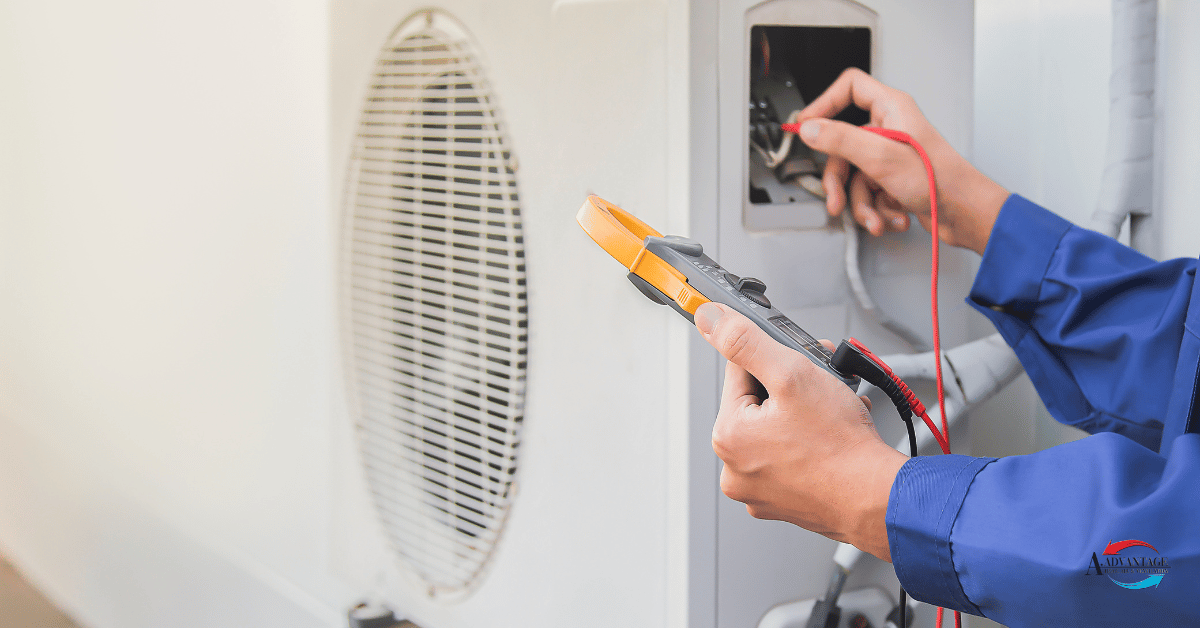
Regular HVAC maintenance is essential. It includes air filter cleaning, duct cleaning, seasonal inspections, and professional HVAC repair services. A local HVAC dealer or HVAC technician will ensure that:
- Systems are more efficient
- Air conditioning units cool the air properly
- Heating systems deliver steady warm or cool air
- Indoor comfort and air quality remain consistent
When homeowners replace their HVAC system, proper HVAC installation makes sure the new HVAC system is reliable. A local HVAC dealer can guide you in choosing the right system for your home.
Signs You Need HVAC Work or Replacement
Watch for these signs that you may need to replace your HVAC system or call HVAC contractors for urgent repair:
- Uneven heating and cooling (hot and cold spots)
- Weak airflow or failure to circulate air throughout your home
- Noisy equipment when systems are used for moving air
- Energy bills rising despite normal usage
- HVAC equipment over 15 years old
At that point, replacing your HVAC system with a new HVAC can improve energy efficiency in HVAC operations and restore comfort.
Choosing the Right HVAC System
Choosing the right HVAC system for your home depends on budget, layout, and indoor comfort needs.
- A residential HVAC system may include a central air conditioner or ductless air.
- A heating and air conditioning system may combine gas and electric.
- A comfort system with natural ventilation may use outside air to improve efficiency.
Always consult a local HVAC dealer for advice. They can help you select the right system for your home, provide HVAC installation, and offer long-term HVAC maintenance.
Conclusion
HVAC refers to the heating and air conditioning systems that circulate air throughout your home, keep indoor air clean, and manage fresh air ventilation. Knowing what HVAC stands for helps Oklahoma City homeowners understand when to schedule cleaning, repair, or installation.
Whether it’s time to replace your HVAC system, call a technician for AC repair, or improve indoor comfort and air quality with regular maintenance, your HVAC system is the key to year-round safety and comfort.