Skip to content


Baseboard heaters have been around for decades, and many homes in Oklahoma City still rely on them for quiet and steady heat. While they may look simple along the wall, the way baseboard heaters work is more interesting than most people realize. Understanding how these heating systems function can help homeowners decide whether to pursue repair, cleaning, installation, or replacement. With over fifty years of combined HVAC experience, A Advantage Inc has seen just about every type of heating setup, including electric baseboard heaters and hydronic systems.
What Are Baseboard Heaters
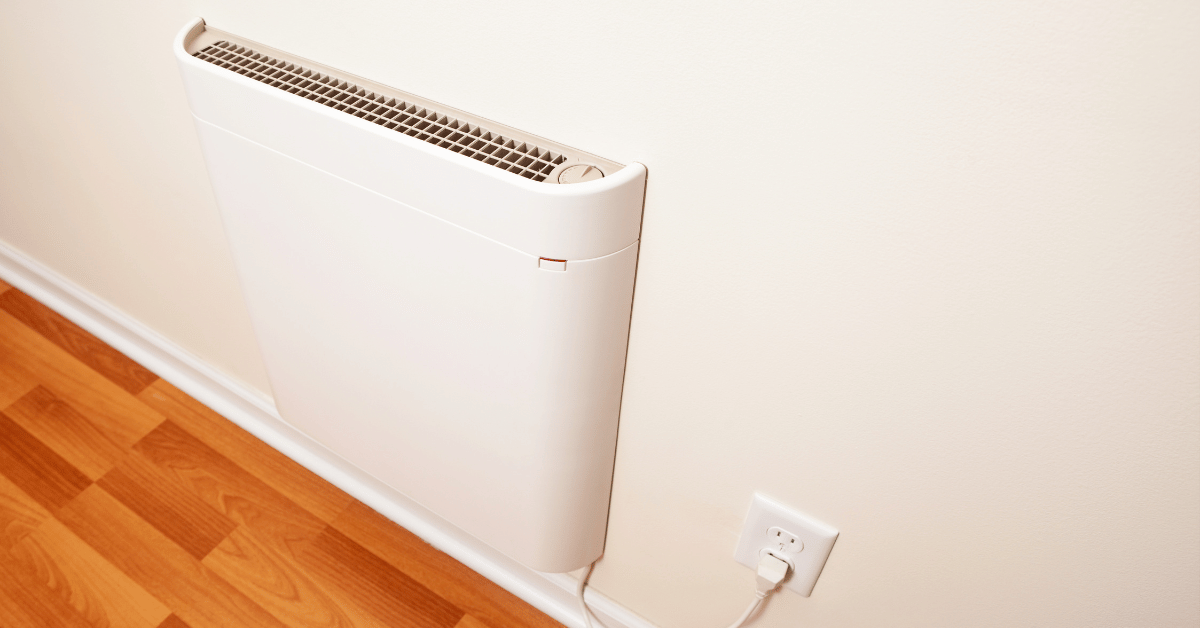
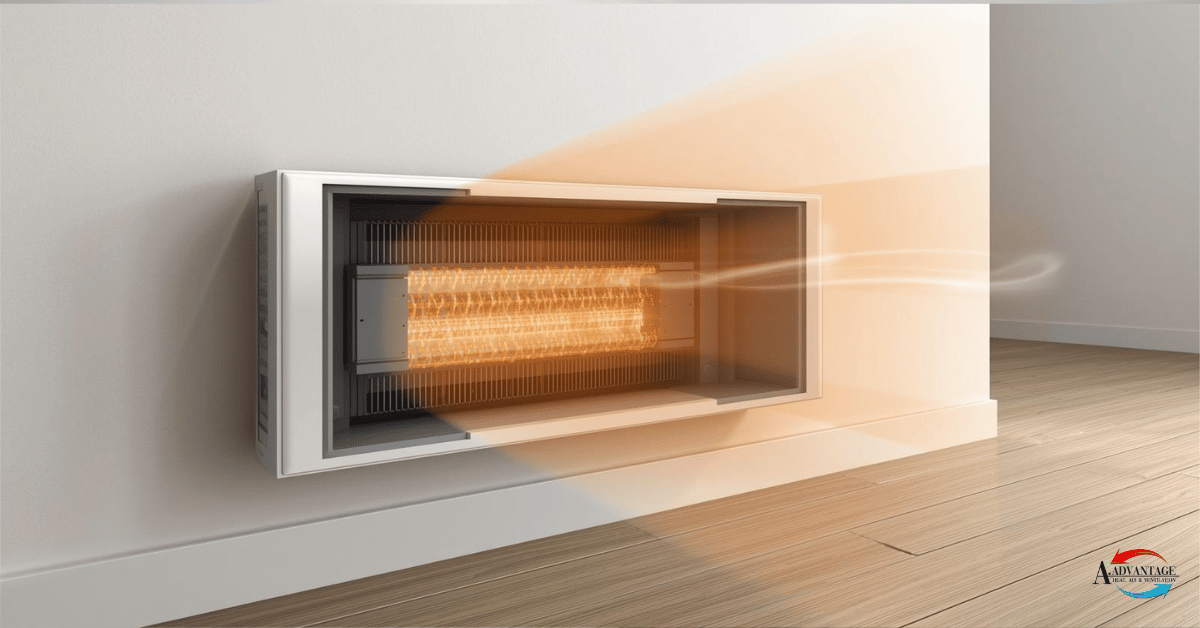
A baseboard heater is a long, narrow heating unit placed along the bottom of interior walls. These units warm a room through convection, heating the air near the floor. That warm air rises and cool air moves down to take its place. This cycle repeats until the room reaches the temperature set on the thermostat.
Many older homes or additions without ductwork rely on baseboard heat. Some homeowners also use them as supplemental heat in colder rooms where forced air systems don’t reach effectively.
Common types of baseboard units include:
- Electric baseboard heaters that use a heating element to generate heat
- Hydronic baseboard heaters that circulate hot water through metal fins
- Hardwired units controlled by a wall thermostat or smart thermostat
- Standalone units with built-in temperature controls
How Electric Baseboard Heaters Work
Electric baseboard heaters use an internal metal heating element. When electricity flows through the element, it begins to warm up. The air around it heats, rises, and spreads throughout the room through natural convection. Compared to a forced air heating system, the process is quiet and steady.
Most electric heater units operate on a 120 or 240 volt electrical system. They work independently of central heat, which is why they are often chosen for specific rooms.
Key parts inside an electric baseboard heater:
- Metal heating element that produces heat
- Aluminum fins that improve heat transfer and heat distribution
- Safety switches that prevent overheating
- Thermostat to control temperature and heat delivery
- Protective covers that allow proper airflow
Electric units are simple in design, but they do require clear space around them. Blocking the vent areas reduces their ability to heat your home properly and affects efficient heat delivery.
How Hydronic Baseboard Heaters Work
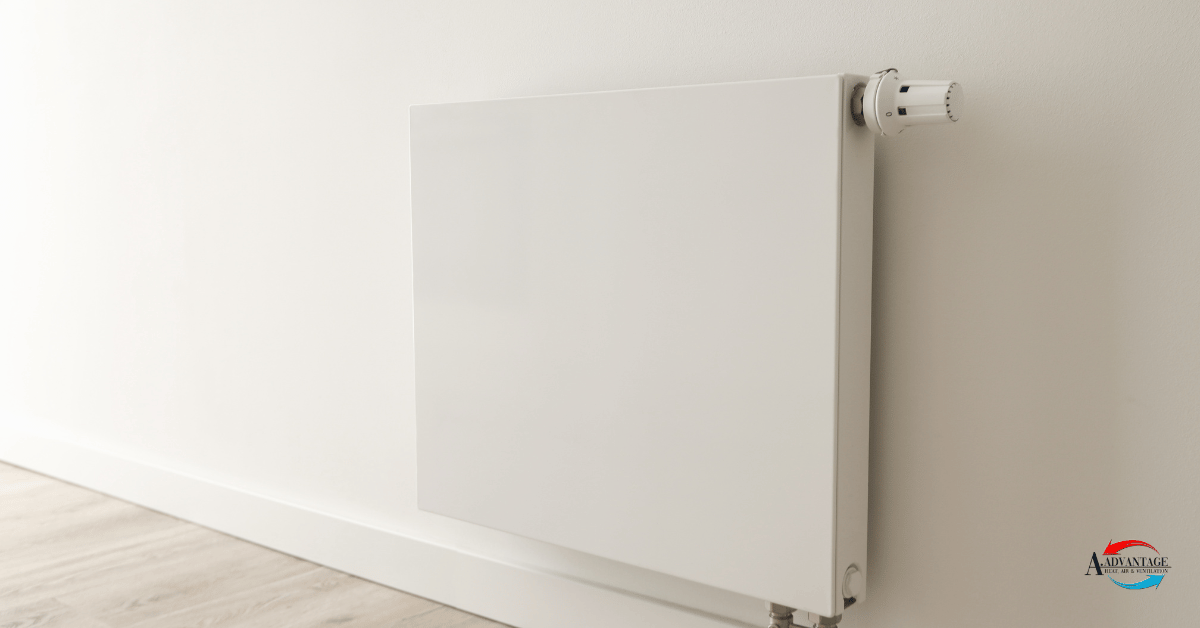
Hydronic baseboard heaters look similar to electric ones but use a different heating process. These hydronic systems heat water in a boiler and send that hot water through pipes inside the baseboard unit. The heated water warms the fins and the surrounding air. Once the central boiler shuts off, the hot fluid continues circulating and releasing warmth.
Hydronic heaters take longer to heat up than electric, but the heat delivered lasts longer. This steady warmth reduces heat loss and is one reason homeowners appreciate them during colder seasons in Oklahoma City.
Hydronic baseboard systems include:
- A central boiler or water heater that serves as the heat source
- Water line pipes leading to each room for water circulating
- Baseboard units with metal fins for heat transfer
- Circulator pump to move hot water through the hydronic system
- Zone valve controls for independent room heating
Benefits of Using Baseboard Heaters
Baseboard heat remains a practical solution for many homes. While not the newest heating option, these systems offer several useful qualities for heating a room effectively.
Reasons homeowners choose baseboard systems:
- Quiet operation that does not disturb daily activities unlike forced air systems
- Simple installation for room additions without existing ductwork
- No ductwork or vent work required for heat distribution
- Independent control for each room using individual thermostats
- Low upfront installation cost compared to central heat systems
- Energy efficient zone heating that reduces overall energy costs
A Advantage Inc often works with families who need reliable heat in small rooms, sunrooms, older homes, or areas where traditional heating options are not practical.
Common Issues With Baseboard Heaters
Even though a baseboard heater can last a long time, these units still need attention and cleaning. Dust, aging parts, and wiring issues can affect performance. Homeowners sometimes notice cold spots or slow heating, which may indicate a repair need.
Typical issues include:
- Dust buildup along the fins that restricts heat transfer
- Uneven heating in the room due to blocked airflow
- Thermostat not responding correctly to temperature changes
- Clicking or tapping sounds during heating cycles
- Blocked airflow from furniture placed too close to the heater
- Valve problems in hydronic baseboards affecting hot water flow
- Radiator-style fin damage reducing heat delivery
When these issues show up repeatedly, professional repair and cleaning is helpful. A Advantage Inc can check wiring, thermostats, panels, or boiler components depending on whether you have electric or hydronic systems.
Baseboard Heaters Compared to Other Heating Systems
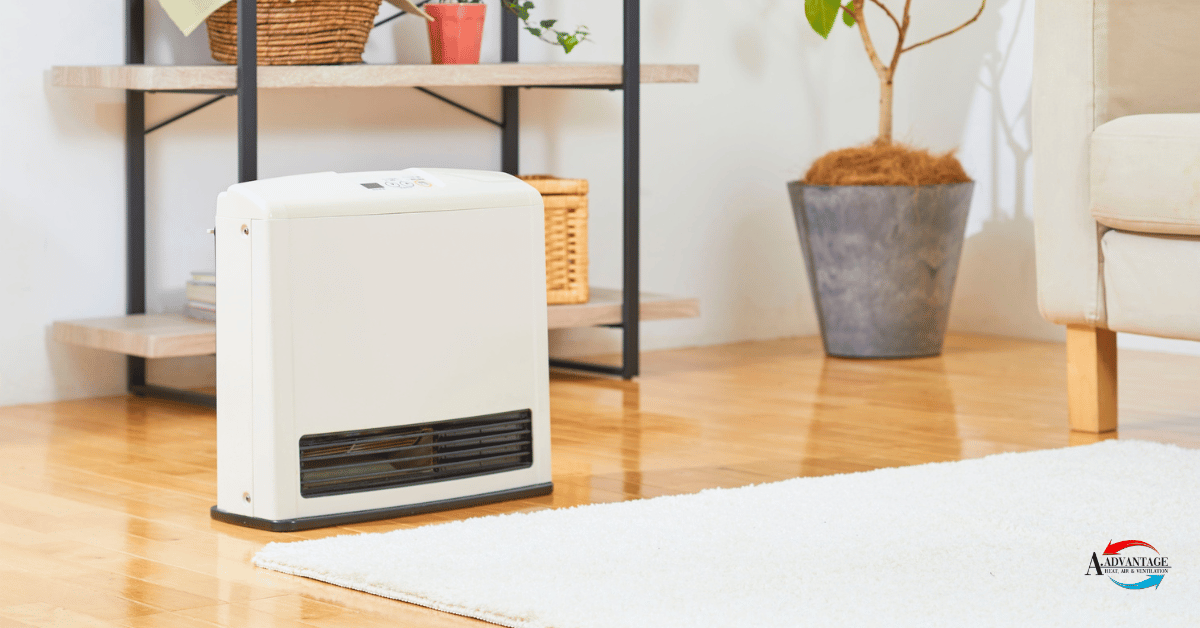
Oklahoma weather changes quickly throughout the year, so it helps to understand how baseboard heating fits into the bigger picture. Central heat, ductless mini splits, and heat pumps each offer different strengths. A baseboard heater can be effective for specific rooms, but it may not be the most energy efficient option for an entire home.
Homeowners often compare types of baseboard heat with:
- Central furnace heating and forced air systems
- Heat pump systems for year-round comfort
- Ductless mini split units for zoned heating and cooling
- Electric space heaters for temporary heat
- Hot water heaters integrated with hydronic heating options
Baseboard systems are steady and predictable but can use more electricity than modern heating systems. For homeowners planning upgrades or new installation, A Advantage Inc can help compare heating options based on home size, insulation, and comfort goals.
Maintenance Tips to Keep Baseboard Heaters Working Well
Baseboard units do not require complex maintenance, but routine cleaning and care goes a long way. Clean units provide efficient heat more effectively and reduce strain on internal parts. Many homeowners are surprised by how much dust collects along the fins over time.
Helpful maintenance tips:
- Vacuum dust from the fins and surrounding area during regular cleaning
- Keep furniture at least several inches away to maintain proper airflow
- Check the thermostat or smart thermostat for proper response
- Inspect wiring, valve connections, or boiler systems annually
- Look for signs of discoloration on baseboard covers or older units
- Clear any obstructions from vent areas that restrict hot air flow
- Test hydronic systems for proper water circulating and heat distribution
Routine checks help extend the life of your baseboard system. For complete inspections, cleaning, and repair, A Advantage Inc offers heating service throughout Oklahoma City.
Safety Tips for Using Baseboard Heaters
Although a baseboard heater is generally safe, these units do get very warm during operation. Keeping flammable materials and fabrics away from the heater prevents heat buildup and fire concerns.
Safety reminders to follow:
- Never place furniture directly against the heater or block the vent
- Keep curtains lifted above the unit to prevent contact with hot air
- Do not store objects near the heater that could restrict airflow
- Ensure units and baseboard covers are firmly mounted
- Call a professional for repair if you notice strange smells or sparks
- Monitor older units for signs of electrical system problems
These small precautions support a safer and more comfortable home while maximizing heat delivery.
When to Consider Replacing a Baseboard Heater
Eventually, baseboard heaters can wear out. Older units may struggle to heat your home effectively or may require repair more often. Since technology has improved, installation of new baseboard units or upgrading to modern heating systems can lead to better comfort and lower energy costs.
Signs it may be time for replacement or new installation:
- The heater is older than twenty years and shows wear
- Yellowed plastic covers or rusting fins affecting heat transfer
- Rising energy costs without changes in usage patterns
- Frequent thermostat, valve, or wiring problems requiring repair
- Slow or inconsistent heating that leaves rooms cold
- Inefficient heat delivery compared to newer heating options
- Desire to upgrade to a smart thermostat for better control
A Advantage Inc helps homeowners decide whether repair, cleaning, or installation of a new baseboard or alternative heating system makes more sense. For some homes, switching to a modern heating system provides greater comfort and better long term value.
Professional Heating Support in Oklahoma City
Understanding how baseboard heaters work can help homeowners spot problems early and make informed decisions. Whether you use electric heater units or hot water baseboard heaters, proper care, cleaning, and timely repair help them run more smoothly. When installation, repair, or upgrades are needed, A Advantage Inc is available to provide heating service, furnace repair, ductless mini split installation, and full HVAC support throughout Oklahoma City.
If you want help with an existing baseboard system or you are considering new heating options, reach out to A Advantage Inc for dependable and honest HVAC service.