


Indoor air quality plays a huge role in how comfortable and healthy your home feels. In a city like Oklahoma City, where summers can get muggy and winters turn dry, the right indoor air solution can make all the difference. Homeowners often ask whether they should install a humidifier, dehumidifier, or air purifier. While all three improve the air you breathe, they do so in very different purpose ways.
Humidifier Vs Dehumidifier Vs Air Purifier
This guide breaks down what each system does, when you might need it, and how to choose the right option for your home or business. With decades of HVAC experience, A Advantage Inc has seen firsthand how these systems work alongside heating and cooling units to improve comfort, protect property, and provide clean air year-round.
Why Indoor Air Quality Matters
When most people think of HVAC, they focus on heating and cooling. But comfort isn’t just about temperature; it’s also about indoor air and the humidity level inside your home. Poor indoor air quality can cause:
- Dry skin, irritated eyes, and sore throats from dry air
- Mold and mildew growth due to high humidity
- Allergy flare-ups, asthma attacks, and respiratory irritation from air pollutants
- Warping wood, condensation damage, and dust mites thriving in damp conditions
In Oklahoma City, dry winters can leave your air parched, while humid summers encourage mold and mildew. Add in pollen, pet dander, and other airborne particles, and you’ve got plenty of reasons to consider air purifiers and humidifiers or even a dehumidifier and air purifier working together.
What is a Humidifier?
A humidifier adds moisture into the air inside your home. During winter in Oklahoma City, when heaters run continuously, the air often becomes too dry. That lack of air moisture can make everyday life uncomfortable.
Benefits of a Humidifier
- Helps humidifier can help with dry skin and sinus issues
- Reduces static electricity around your home
- Preserves wood furniture, floors, and musical instruments
- Makes indoor air feel warmer and more comfortable in cold weather
Signs You May Need a Humidifier
- Cracked wood furniture or flooring
- Dry air can cause itchy skin or frequent sore throats
- Excessive static shocks when touching surfaces
- Air that feels colder than your thermostat says
Humidifiers add moisture and make the air more breathable in winter. This can improve indoor air quality and create cleaner air for people with allergies or asthma.
What is a Dehumidifier?
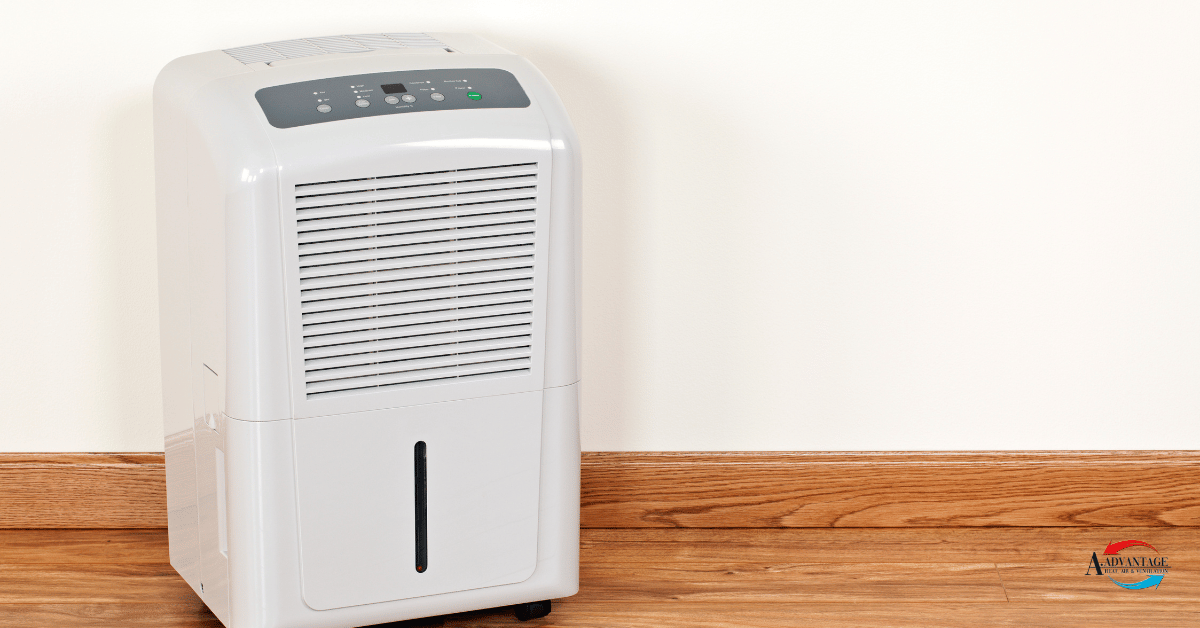
A dehumidifier removes moisture from the air to maintain a healthy humidity level. This is especially useful during Oklahoma’s hot, sticky summers.
Benefits of a Dehumidifier
- Prevents mold and mildew by controlling humidity in the air
- Reduces musty odors caused by mildew and spore growth
- Protects electronics, walls, and furniture from moisture in the air damage
- Supports your AC by helping it cool more efficiently
- Creates a more comfortable environment
Signs You May Need a Dehumidifier
- Condensation forming on windows
- Mildew spots on walls, ceilings, or closets
- Damp, musty-smelling basement
- Allergies and asthma getting worse in summer
If not properly sized, one device may struggle to remove moisture from the air, leading to discomfort and lead to mold growth.
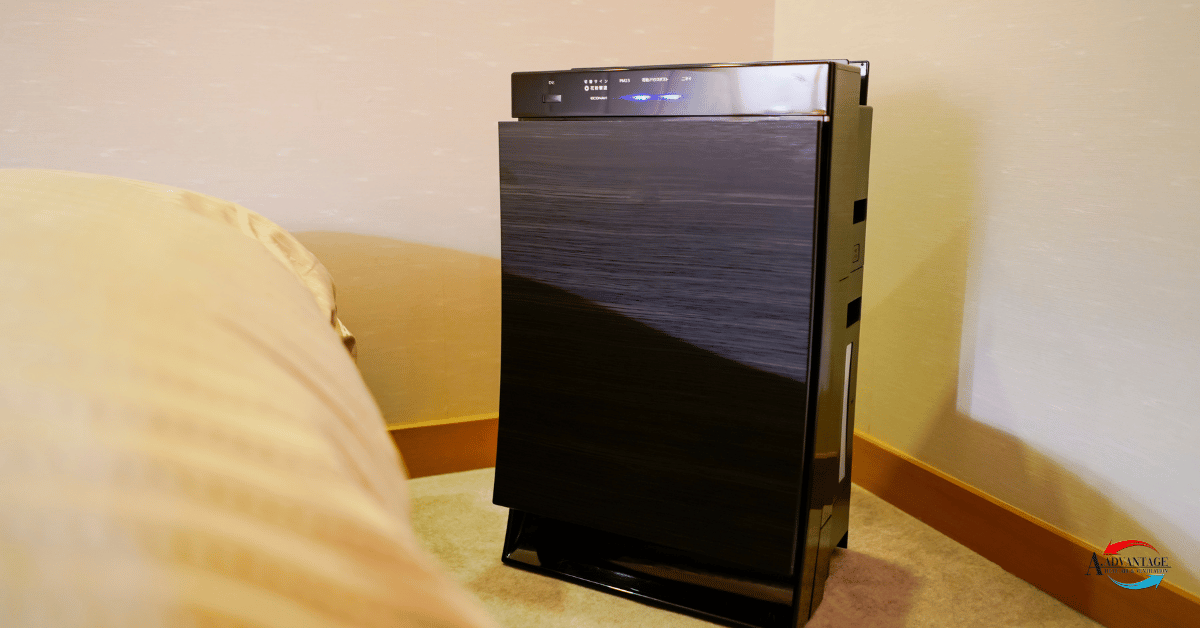
What is an Air Purifier?
An air purifier removes pollutants from the air by using specialized air purifier filters like HEPA or activated carbon. These devices clean the air by capturing dust mites, pollen, pet dander, virus, and volatile organic compounds.
Benefits of an Air Purifier
- Relieves allergies and asthma by filtering indoor air pollutants
- Removes airborne particles like smoke, contaminant gases, and odors
- Supports respiratory health for sensitive family members
- Creates cleaner air and helps to purify the air year-round
Signs You May Need an Air Purifier
- Sneezing, coughing, or irritation while indoors
- Dust buildup on surfaces even after cleaning
- Lingering odors from cooking or pets
- Family members with allergy or asthma problems
Air purifiers work with HVAC to filter air and improve indoor air quality by removing air pollutants.
Comparison: Humidifier vs Dehumidifier vs Air Purifier
| Feature | Humidifier | Dehumidifier | Air Purifier |
| Purpose | Add moisture to the air | Remove moisture from the air | Filter air and purify the air |
| Best Season | Winter | Summer | Year-round |
| Main Benefits | Comfort, humidifier increases warmth, wood protection | Mold prevention, odor control, AC efficiency | Allergy relief, air quality by removing pollutants |
| Works With | Heating systems | Cooling systems | All HVAC setups |
This makes the differences between these devices clear each serves a different purpose in keeping your air in your home healthy.
Which One Do You Need?
- Choose a Humidifier if your air feels dry in winter, you notice static shocks, or cracked wood.
- Choose a Dehumidifier if you have damp basements, mold spots, or sticky moist air in summer.
- Choose an Air Purifier if you want cleaner air, relief from allergies and asthma, or fewer pollutants from the air.
Sometimes you may need more than one device. Families often run a humidifier vs dehumidifier depending on the season, while keeping an air purifier or humidifier system running all year.
Role of HVAC Installation and Repair
Whole-home systems for humidifiers and dehumidifiers can be installed directly into your HVAC. A professional contractor ensures balanced air back into the room, preventing mold and mildew issues.
- Repair and installation are crucial for long-term performance.
- Systems must be cleaned regularly to prevent buildup of pollutants from the air.
- Portable units may help temporarily, but whole-home integration keeps levels of air steady across every room.
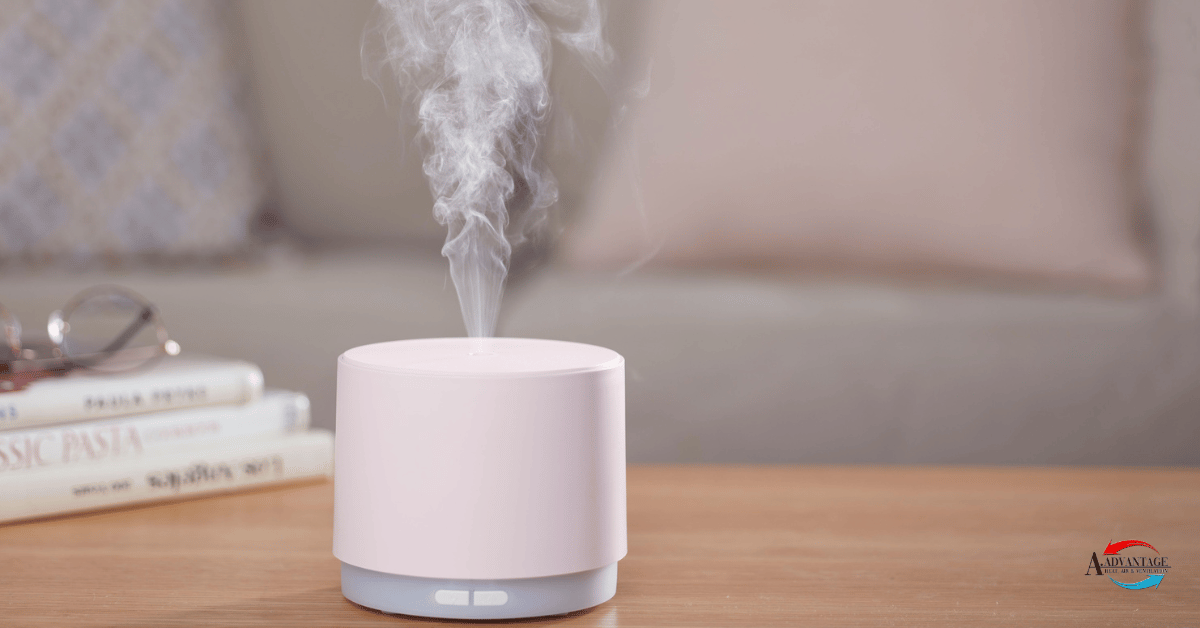
A diffuser may also be used to release essential oils into the air, but remember that a diffuser serves a different purpose than a humidifier, dehumidifier, or air purifier. It can add moisture and fragrance but does not filter air or manage humidity effectively.
Professional Guidance Matters
Trying to pick one device from a store without guidance can cause more harm than good:
- Over-humidifying can lead to mold
- Undersized dehumidifiers fail to remove airborne moisture effectively
- Cheap air purifiers may not trap dangerous air pollutants
That’s why professional HVAC cleaning, repair, and installation is essential to ensure your system works properly.
Final Thoughts
So, what’s the difference between these devices?
- A humidifier increases comfort in dry air conditions by adding water vapor.
- A dehumidifier removes moisture from the air, fighting mold and mildew.
- An air purifier removes pollutants from the air to give you improved air quality and help with allergies and asthma.
Ultimately, choosing one is right for you depends on your air quality concerns and humidity conditions. For many homes, combining two or more systems ensures cleaner air, reduced air pollution, and long-term comfort.