


Indoor air quality is a growing concern for homeowners and businesses across Oklahoma City. With long summers, high humidity, and allergy seasons, people want their heating and cooling system to not only keep them comfortable but also provide cleaner, healthier air. One solution that has gained attention is adding UV light for HVAC systems. But does it really work, and is it worth the investment? Let’s break down how UV light in HVAC systems works, its benefits, drawbacks, and whether it makes sense for your home or business.
What Is UV Light for HVAC?
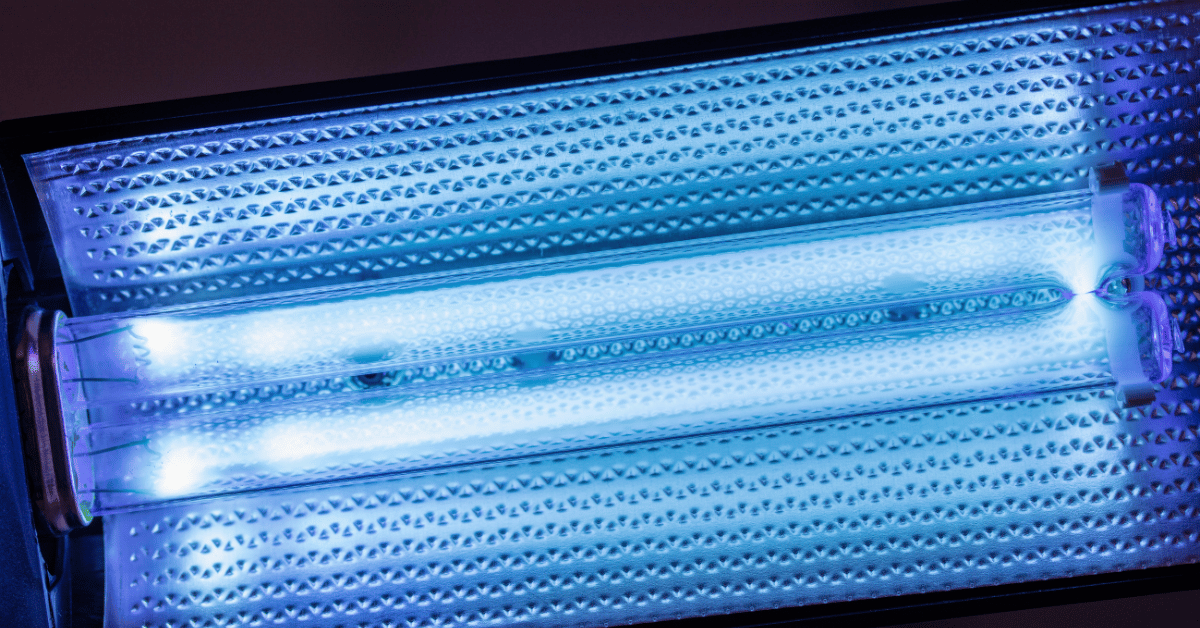
Ultraviolet light technology has been used for decades in hospitals and laboratories to control germs and bacteria. In an HVAC system, it’s installed inside the air handler or near the evaporator coil to target mold and bacteria that collect on surfaces or circulate through the duct.
There are different types of UV lights in HVAC applications:
- Coil Sterilization Lights – A UV lamp is placed near the evaporator coil to prevent mold and microbial buildup. This helps maintain system efficiency, airflow, and reduces the need for frequent coil cleaning or repair.
- Air Sterilization – UV lamps are installed inside ducts or the air handler to sanitize air as it flows through the HVAC system.
By disrupting the DNA of microorganisms, UV-C light prevents them from multiplying, keeping the HVAC unit cleaner.
How Does UV Light Work in an HVAC System?
The science behind UV light is simple. It works within the UV-C range, which is powerful against mold, bacteria, and viruses. Once exposed, these organisms cannot reproduce.
Inside the HVAC system:
- Air moves across the coils and ducts.
- Microorganisms are exposed to the UV light.
- UV lights kill or neutralize them, keeping coils and ducts clean.
This process is continuous as long as the system is running, improving both air quality and HVAC system’s efficiency.
Benefits of UV Lights in HVAC Systems
Installing UV lights in your HVAC system offers multiple benefits:
Improved Indoor Air Quality
UV lights target mold spores, bacteria, and viruses, helping reduce allergens that worsen asthma and allergy symptoms. Many families report cleaner air and fewer respiratory issues after installing a UV light.
Cleaner HVAC Coils and Ductwork
Moisture and dust cause coil buildup. A coil sanitizing light keeps coils cleaner, preventing mold and bacteria growth. This reduces cleaning needs and protects the air conditioner and heating equipment.
Increased Efficiency and Savings
Cleaner coils reduce strain on HVAC units. A well-maintained coil ensures the system uses less energy, lowering bills and reducing future repair or bulb replacement costs.
Health Benefits
UV lights can help reduce flu viruses and colds in homes and businesses. When combined with regular filter cleaning and air purifier use, they further improve indoor air quality.
Potential Cons of UV Light
While UV light can improve air quality, there are cons of UV light to consider:
- Upfront Costs – Equipment and HVAC UV light installation costs can add up.
- Maintenance – UV light bulbs last 12–24 months and require cleaning or replacement.
- Limited Scope – UV lights don’t remove dust or VOCs. They should complement filters and other HVAC lights, not replace them.
- UV Light Can Degrade plastics inside the air conditioning system if incorrectly installed.
UV Light vs. Other Indoor Air Quality Options
- HEPA Filters – Trap dust and pollen but don’t kill microbes.
- Dehumidifiers – Prevent mold but don’t sanitize air.
- Air Purifiers – Combine filters, ionizers, and sanitizing lights for stronger results.
UV light can improve living conditions when combined with filters, helping maintain a cleaning, repair, and installation routine for the entire heating and cooling system.
Is UV Light Worth the Investment?
The pros and cons of installing UV light depend on your needs. For Oklahoma City homes and businesses:
- Homes with kids, seniors, or asthma sufferers benefit from fewer allergens.
- Businesses improve comfort for staff and customers.
- Reduced coil cleaning and repair make UV light worth the investment for many property owners.
Professional HVAC UV Light Installation
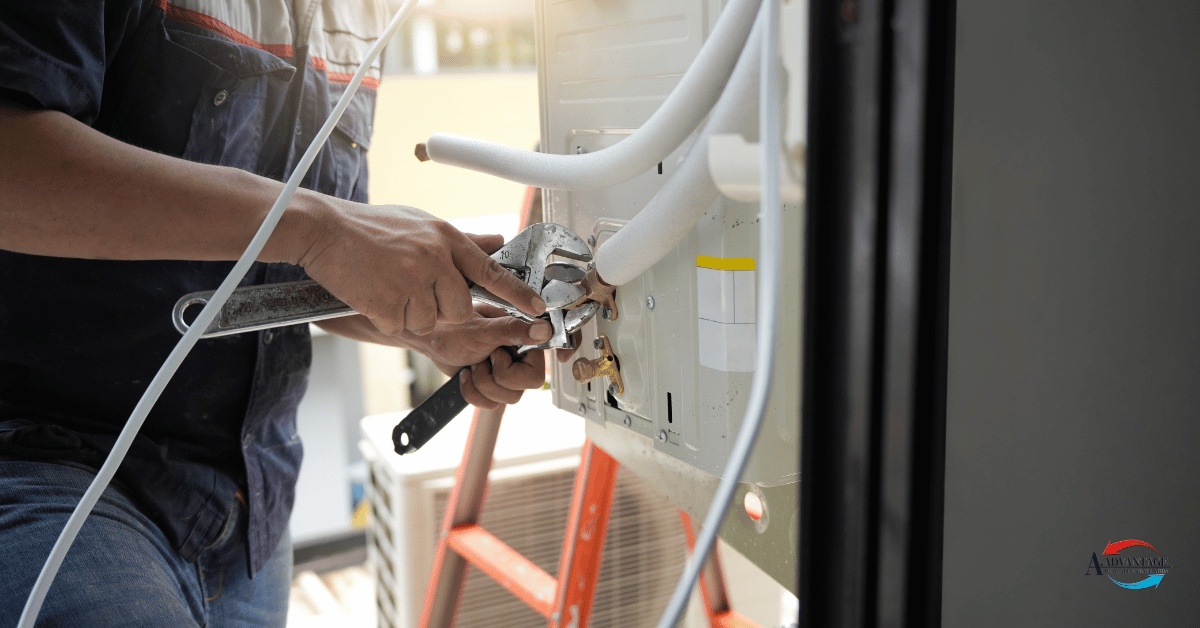
Installing a UV light should be handled by a qualified HVAC professional. Incorrect placement reduces performance and may risk UV exposure.
Our HVAC services include:
- Furnace and AC installation
- Emergency HVAC repair
- Routine cleaning and maintenance
- Adding UV technology into your HVAC system
By combining UV systems with proper maintenance, filters, and duct cleaning, you’ll keep your HVAC system clean and efficient year-round.
Final Thoughts on UV Light HVAC Systems
Adding UV lights in your HVAC can be a valuable step to improve indoor air quality, keep coils cleaner, and reduce future repair needs. While UV lights may not solve every problem, when paired with filters, regular cleaning, and installation by professionals, they can help maintain a healthier and more efficient heating and cooling system.
FAQs About UV Lights in HVAC
Do UV lights kill bacteria and viruses?
Yes, UV lights effectively neutralize many microbes, though exposure time and design matter.
How long does a bulb last?
Most bulbs last 9,000–14,000 hours.
Does UV light replace filters?
No. UV is for biological growth, while filters handle dust and particles. Both are needed.
Can I install UV lights myself?
Not recommended. Always use a licensed HVAC technician.