


As winter approaches in Oklahoma City, most homeowners shift their focus from cooling to heating. But one question often lingers about the AC unit sitting quietly outside: Should you cover your ac unit until spring? On the surface, covering your air conditioner might seem like a smart way to protect it from debris, snow and ice, and unpredictable winter weather. However, covering the air conditioner in the winter is not always necessary, and in some cases, it can create more harm than good.
This guide explains what happens to your AC unit in winter, the benefits and drawbacks of covering the AC, and how to care for your HVAC system the right way in Oklahoma’s climate.
How Your AC Unit Handles the Winter Months
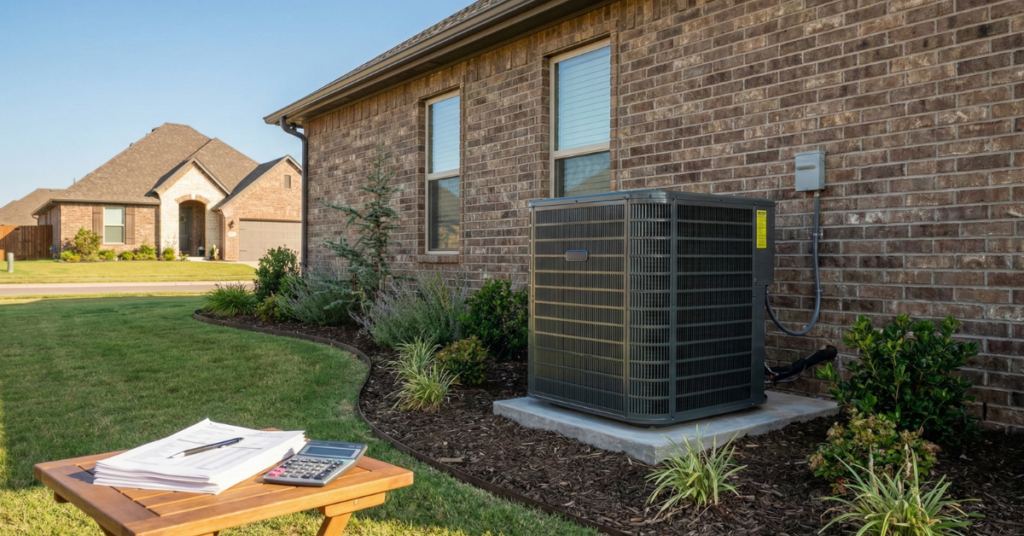
Should You Cover Your AC Unit: Your outdoor condenser is made to withstand harsh weather conditions, including ice and snow, high winds, and debris. Modern outdoor AC units have metal casings, weather-resistant finishes, and protective grills to shield coils and internal parts from outside air.
While Oklahoma winters are milder than northern states, wind-driven debris, including snow load from storms, can still be a concern. The bigger question is whether covering your outdoor AC unit is truly necessary to protect it during the fall and winter seasons.
Why Homeowners Consider Covering an AC Unit
Many homeowners think putting a cover on the AC unit in the off-season is good preventative care. Common reasons include:
- Keeping debris from entering, including leaves, twigs, and dirt.
- Protecting from snow and ice during storms.
- Reducing the risk of corrosion and rust.
- Keeping the entire unit looking newer for longer.
While these points sound logical, HVAC technicians often warn that a cover can lead to problems like moisture buildup or pest infestations.
Pros of Covering Your AC Unit in the Winter
When done properly, covering your AC unit can provide some benefits:
- Reduced debris buildup – Prevents debris from entering the coil and inside the unit.
- Protection from falling objects – Shields the top of the unit from branches or hail.
- Cleaner startup – Less cleaning and repair work needed in spring.
Local Tip: If you live in a heavily wooded neighborhood, a breathable cover or a piece of plywood on the top of the unit can block debris without restricting airflow.
Cons of Covering Your AC Unit in the Winter
Improper AC covers can cause more harm than good:
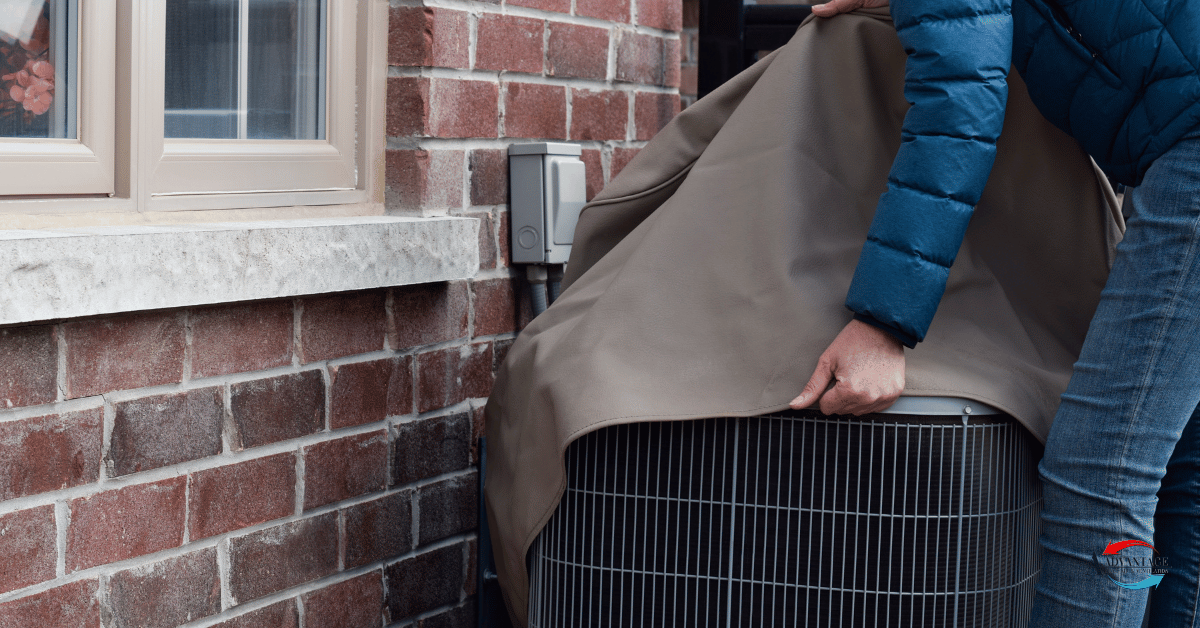
- Moisture inside the unit – Plastic or vinyl covers trap moisture inside the unit, which can cause mold and mildew, lead to rust, and even corrode parts.
- Covers attract critters – Rodents and insects may find shelter, and covers may cause them to nest around the unit.
- Airflow restriction – Covering your air conditioning unit fully blocks air flow, which can damage the unit if it operates in winter.
- Warranty issues – Some manufacturers say it’s never cover the unit in the manual.
Oklahoma City Winters – Do You Really Need a Cover?
Should You Cover Your AC Unit: Oklahoma winters vary from mild outdoor air days to freezing nights, but we rarely get prolonged heavy snow. For this reason, most HVAC experts say it’s not necessary to cover your air conditioner completely.
Instead, focus on removing any snow and debris from entering the unit during storms and keeping the area around the unit clear.
Better Alternatives to Full AC Covers
If you want protection without risk, consider covering only part of the unit:
- Partial top cover – Use plywood or a breathable waterproof material to shield the top from including snow and debris.
- Breathable mesh cover – Lets moisture inside escape while blocking debris.
- Seasonal cleaning – Have an HVAC technician perform AC maintenance each fall.
- Landscaping – Trim bushes and clear outdoor unit surroundings to improve air conditioning performance.
When You Should Avoid Covering the AC Unit
It’s better to skip the cover if:
- You have a heat pump (needs year-round airflow).
- You use plastic or vinyl without ventilation.
- Your manual says it can damage the unit or unit can cause issues.
Best Practices If You Decide to Cover My AC Unit
If you still want to cover my AC unit, follow these guidelines:
- Use a breathable and water-resistant type of cover designed for air conditioning equipment.
- Cover only the top, leaving the sides open for outside air circulation.
- Secure it to avoid wind damage.
- Remove the cover during warm spells in the winter months.
Why HVAC Maintenance Is More Important Than a Cover
Should You Cover Your AC Unit: Covering your air conditioner during winter will never replace seasonal cleaning, repair, and installation checks. The best ways to protect your system involve regular heating and air conditioning servicing.
A professional HVAC tune-up ensures:
- No moisture to accumulate inside the system.
- No trap moisture issues that cause mold and mildew.
- No damaging the unit from blocked air flow.

Final Verdict – Is It Necessary to Cover My Air Conditioner for the Winter?
Should You Cover Your AC Unit: For most Oklahoma City homeowners, it’s not necessary to cover my air conditioner for the entire off-season. Modern outdoor air conditioning systems are made to withstand severe winter weather without a full wrap.
If you want extra protection, use a cover that’s breathable, focus on ac maintenance, and schedule a professional check-up before the cooling season. That’s the most reliable way to care for your AC unit year-round.