



Floor tiles remain one of the most versatile and long-lasting flooring solutions for homes and commercial properties. Whether you are renovating a kitchen, updating a bathroom, or upgrading high-traffic areas, the right type of floor tile can greatly impact durability, maintenance, and appearance. With so many different types of tiles available, understanding their qualities helps you make the best choice for your needs.
This guide explores the three most common types: ceramic tile, porcelain tile, and natural stone, along with their cleaning, repair, and installation considerations.
Why Choosing the Right Floor Tile Matters
Selecting the right floor tile is more than an interior design preference — it’s an investment in functionality, safety, and long-term cost efficiency. Each type of tile has unique characteristics, from water-resistant properties to slip-resistant finishes.
Durability, cost, maintenance needs, and suitability for bathroom and kitchen applications should guide your decision. Choosing wisely means fewer repairs, reduced maintenance costs, and a long-lasting finish.
The Three Major Types of Floor Tiles
Ceramic Tile
Ceramic tile is one of the most common types of flooring, made from clay and fired in a kiln. It’s available in grade 1 tiles, grade 2 tiles, and grade 3 tiles, with grade 3 offering the highest durability for high-traffic areas.
Advantages:
- Affordable with a great price point and wide availability
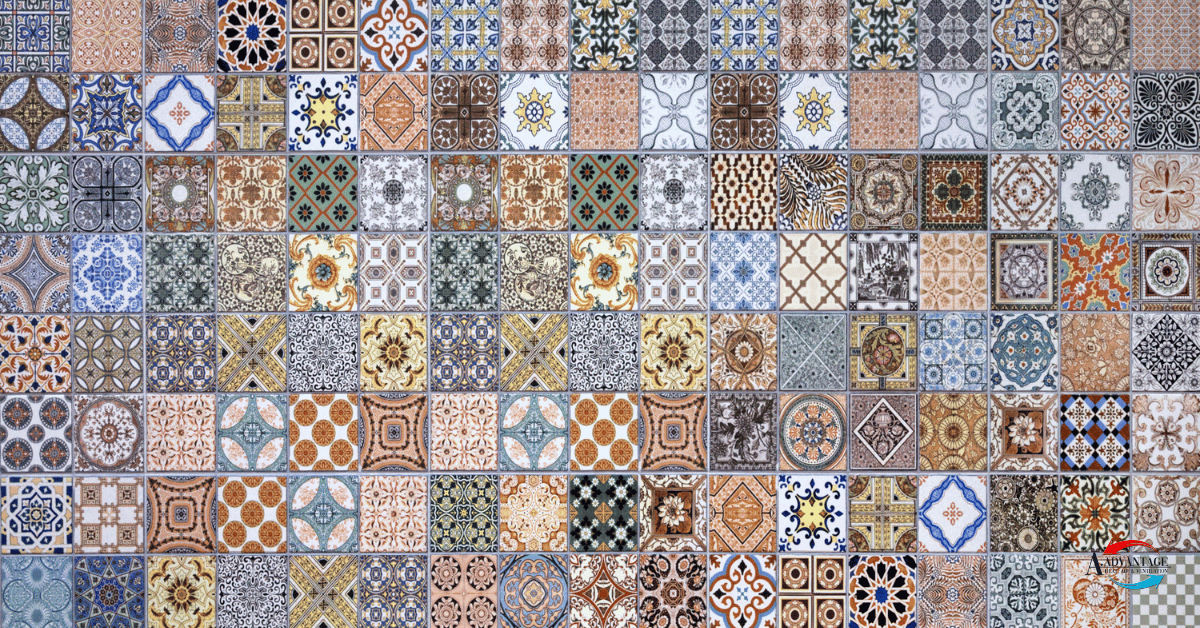
- Comes in a variety of colors and variety of designs for any room in the house
- Easy cleaning with basic sweeping and mopping
- Suitable for bathroom floors, kitchen backsplashes, and living spaces
Disadvantages:
- Less durable than porcelain
- More prone to chipping
- Not ideal for extreme outdoor use
Best Uses:
Perfect for bathroom and kitchen spaces, guest bathrooms, and laundry rooms where style and cost are priorities.
Maintenance Tips:
- Sweep regularly to prevent scratches
- Damp mop for routine cleaning
- Seal grout to prevent stains
Porcelain Tile
Porcelain tile is a type of ceramic with a denser structure, making it ideal for indoor and outdoor use. It’s made from clay with added sand, then fired at higher temperatures, resulting in a slip-resistant, durable surface.
Advantages:
- Exceptional durability and stain resistance
- Water-resistant, perfect for bath or kitchen areas
- Mimics the similar look of natural stone tile or like wood floors
- Excellent for entryways and mudrooms
Disadvantages:
- Heavier and harder to cut (requires skilled installation)
- Slightly higher cost than standard ceramic
Best Uses:
High-traffic zones, kitchen, bathroom floors, and commercial spaces.
Maintenance Tips:
- Use mild detergents for cleaning
- Avoid abrasive cleaners to preserve glaze
- Reseal grout periodically
Natural Stone Tile
Natural stone tiles offer a unique characteristic and amazing patterns that elevate any interior design project. Popular types of natural stone include marble tiles, travertine tiles, granite, and slate.
Advantages:
- Distinctive patterns — no two tiles are the same
- Long lifespan with proper care
- Can add refinement to any room
Disadvantages:
- Higher cost compared to ceramic and porcelain
- Requires sealing for protection
- Tiles are extremely porous in some varieties
- Tiles are usually thicker and heavier
Best Uses:
Living rooms, luxury bathrooms, and feature walls.
Maintenance Tips:
- Seal every 6–12 months
- Use pH-neutral cleaners
- Avoid acidic substances to prevent etching
Comparing the Three Types of Floor Tiles
| Feature | Ceramic Tile | Porcelain Tile | Natural Stone Tile |
| Durability | Good | Excellent | Excellent |
| Water Resistance | Good | Excellent | Varies |
| Cost | Low | Medium | High |
| Design Variety | High | High | Moderate |
| Maintenance Needs | Low | Low | Medium |
Installation Considerations
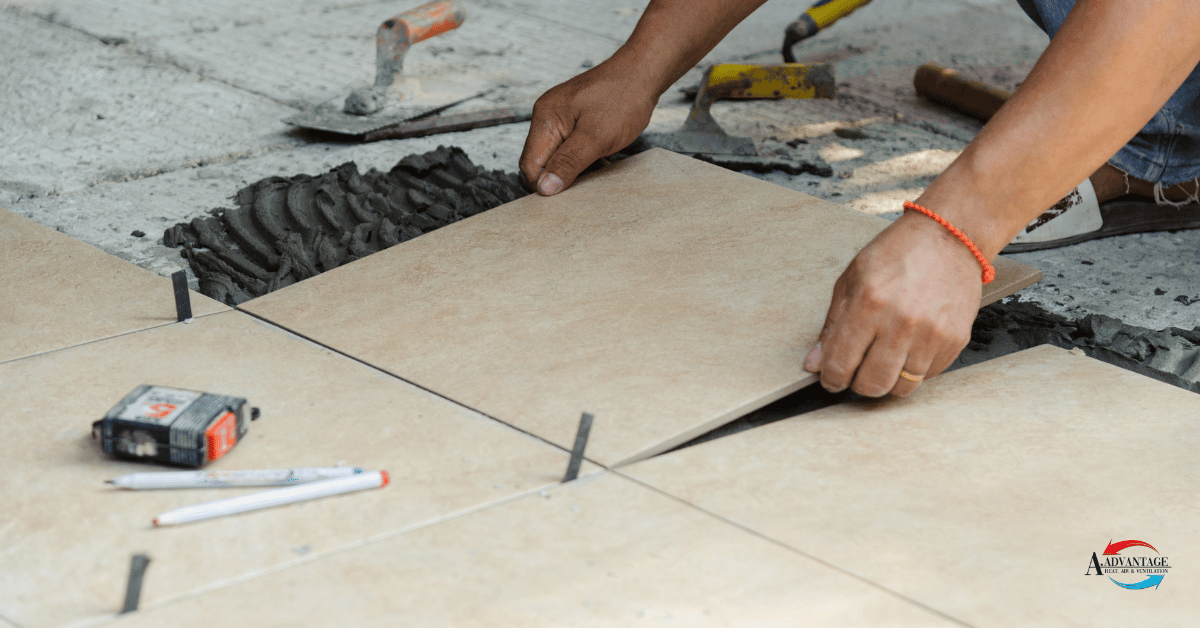
Regardless of the type of floor tile, installation quality determines its longevity.
- Subfloor prep: Level, clean, and dry
- Adhesive choice: Match to tile material
- Grout and sealing: Essential for moisture protection
- Professional installation recommended for porcelain and stone
Common Mistakes to Avoid
- Choosing based only on appearance
- Forgetting slip resistance in wet areas
- Skipping sealing for natural stone tile
- Using harsh cleaners that damage the finish
Conclusion
From ceramic tile with its great price point, to porcelain tile offering maximum durability, to natural stone tile with unique characteristics, each has its place in tile flooring design. Considering factors like cleaning, repair, and installation ensures your choice is suitable for both indoor and outdoor applications, fits your budget, and lasts for years.