Skip to content



Portable air conditioners have become a popular quick-fix cooling option for many homeowners, especially during warm summer months. They’re easy to set up, require minimal installation, and can be moved between rooms as needed. But the real question is: can a portable ac cool a whole house in Oregon?
While they’re useful in certain situations, the answer depends on Oregon’s climate, how portable AC units work, and their limitations compared to other air conditioning systems.
Portable AC Units – How They Work
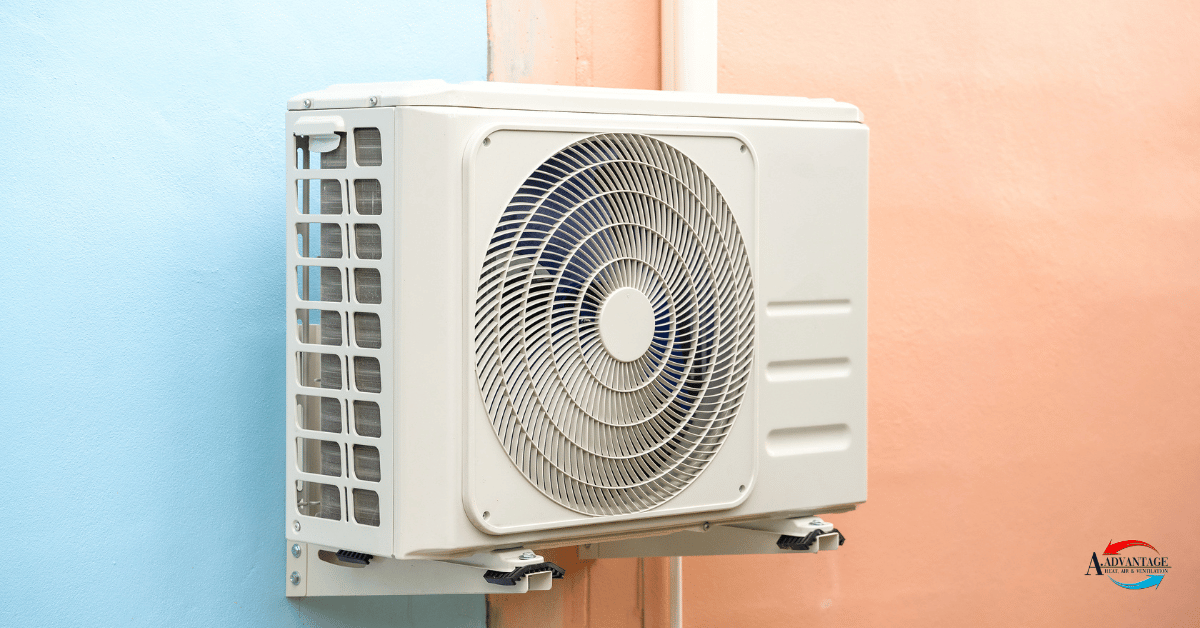
Can a Portable AC Cool a Whole House: A portable air conditioner is a self-contained cooling unit designed to cool a single room or small space. These units typically sit on the floor, include caster wheels for mobility, and vent hot air outdoors through a sliding glass door, window, or wall opening.
Basic operation process:
- Air Intake and Cooling: The unit pulls warm indoor air over evaporator coils to cool the room.
- Heat Removal: Air conditioners remove heat from the air, venting it outside.
- Condensation Management: Moisture is either evaporated out or collected in a tank.
Many choose portable ACs because they:
- Require no permanent installation and are also easy to install.
- Offer an immediate cool air solution for one area.
- Move air effectively in small spaces.
However, their ability to cool an entire home depends heavily on your cooling needs and layout.
Oregon’s Climate and Cooling Demands
Oregon’s varied climate influences how well a portable AC can work:
- Coastal Areas: Mild temperatures mean a portable air conditioning unit may manage comfort in a small home.
- Willamette Valley (Portland, Salem, Eugene): Warm summers with occasional extreme heat events. A single portable AC unit will likely struggle to cool your whole house.
- Eastern Oregon: Hot, dry summers where a single unit will not cool an entire home effectively.
The hotter the region, the less likely a portable or window unit will keep your entire home comfortable.
Limitations of Portable AC Units for Whole-House Cooling
Can a Portable AC Cool a Whole House: Even the best air models have restrictions:
Limited Cooling Capacity
Measured in BTUs (British Thermal Units), most range from 8,000–14,000 BTUs:
- 8,000 BTUs: ~300 square footage coverage
- 14,000 BTUs: ~500 square feet
A large home would need multiple portable units to meet cooling needs.
Restricted Airflow
Without ductwork, a portable AC can’t distribute cool air throughout your home.
Energy Efficiency
Portable ACs often use less energy than air for small spaces, but are less efficient when trying to cool a larger home. Running them constantly can raise cooling costs.
Noise
The compressor and fan are inside the same unit, making them louder than central air or mini-splits.
When a Portable AC Works Well in Oregon
Portable ACs shine in certain situations:
- Small apartments or condos.
- Homes with open layouts where air circulation is easy.
- Supplemental cooling for a hot room like a home office or sunroom.
- Short-term use during heating and cooling system repairs.
Portable AC vs. Other Cooling Options
Portable AC vs. Central Air Conditioning
- Coverage: Central air conditioning systems use ducted distribution to cool your entire home evenly.
- Efficiency: More energy efficient for large homes.
- Cost: Higher upfront installation but better long-term comfort.
Portable AC vs. Ductless Mini-Split Systems
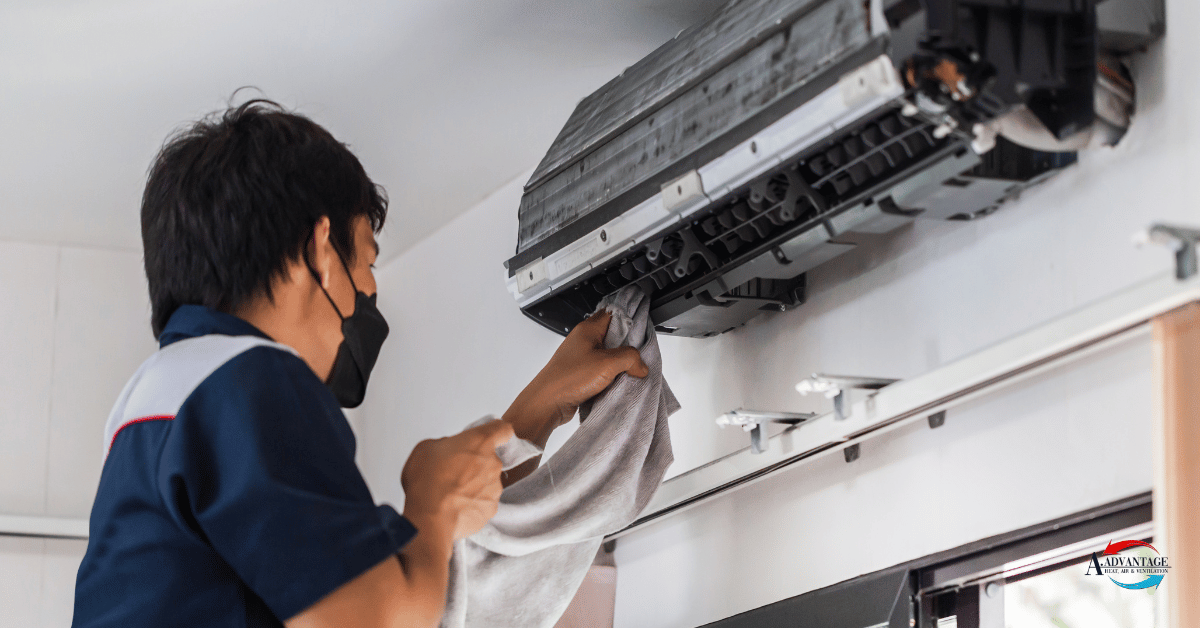
- Zone cooling: Mini-split systems and mini-splits allow targeted comfort.
- Flexibility: Can serve additions without ductwork.
- Particularly energy efficient for multi-room use.
Tips to Improve Portable AC Efficiency
If you choose a portable AC, follow these tips:
- Choose correct BTUs for your square footage.
- Seal leaks around windows and doors.
- Use fans to distribute cool air.
- Block sunlight during peak heat.
- Perform regular cleaning and repair maintenance.
The Best Long-Term Cooling Systems in Oregon
For lasting comfort:
- Central AC system for whole-house cooling.
- Ductless mini-splits for flexible zones.
- Heat pump for combined heating and cooling, improving energy efficiency.
These options are better suited for cool while saving energy and reducing cooling costs.
When to Upgrade from a Portable AC
You may need to install cooling upgrades if:
- Large spaces stay warm despite running the portable unit.
- Energy bills rise without improved comfort.
- You want to cool your whole house permanently.
Expert HVAC Advice
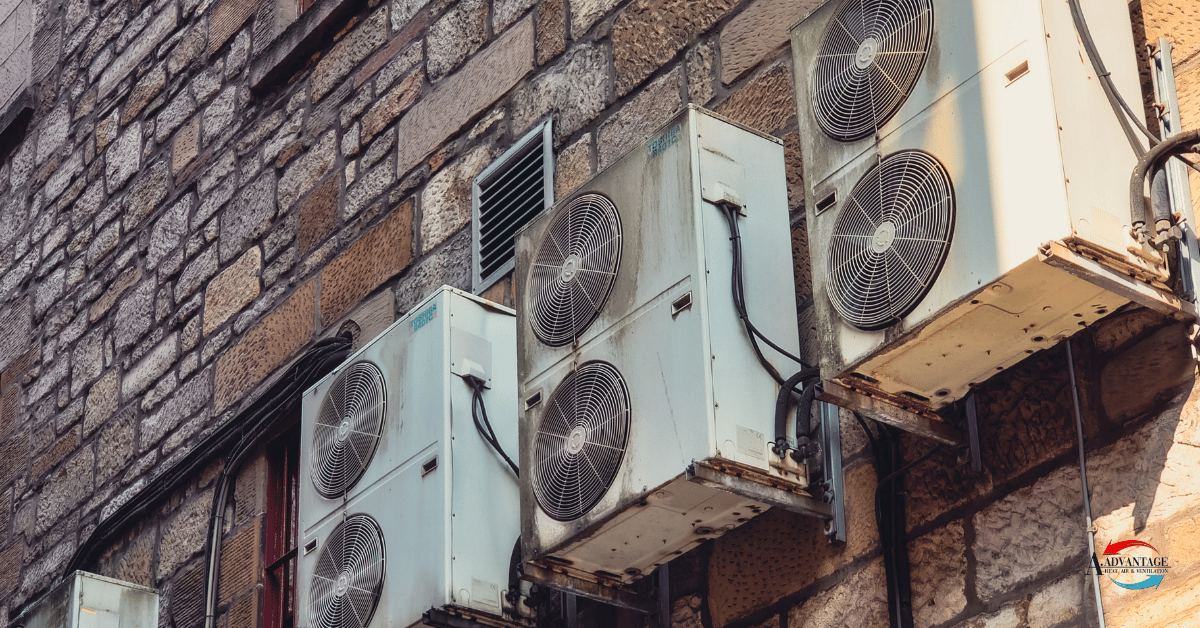
A licensed HVAC professional can assess your cooling options and install an air system that meets your needs. Services may include installation, cleaning, and repair for central AC, heat pumps, or window air conditioners.
Final Verdict – Can a Portable AC Cool a Whole House in Oregon?
In most cases, no. A portable air conditioner is great for a home that doesn’t require full-home cooling, but it won’t cool a larger Oregon home during peak summer. For complete comfort throughout your home, central air conditioners, ductless systems, or heat pumps are more effective and energy efficient.