Skip to content


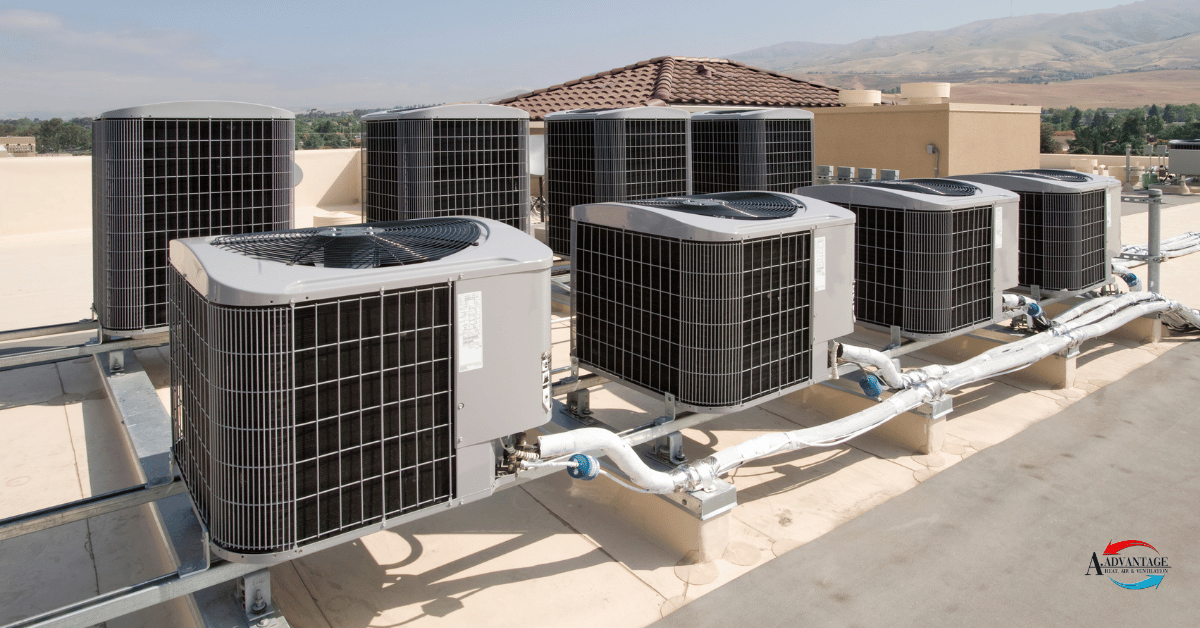
For many small offices, maintaining a comfortable indoor environment isn’t just about comfort it’s tied to productivity, employee health, and lowering energy bills. A rooftop unit (RTU) plays a critical role in this balance. This packaged rooftop unit provides heating and cooling in one space-saving system, making it a popular HVAC solution for commercial buildings.
Essential Rooftop Units Maintenance
However, without regular maintenance, rooftop HVAC equipment can become inefficient, expensive, and prone to significant problems. Proper inspection, cleaning, and timely repair are key to maximizing lifespan and keeping your HVAC system running at peak performance.
Why Rooftop HVAC Units Are Preferred for Offices
Rooftop units are a standard choice for many commercial HVAC rooftops because they combine heating and cooling in one packaged RTU.
- Space savings: Rooftop HVAC units are installed on the roof, freeing up indoor areas for employees and clients.
- All-in-one HVAC service: They combine both heating and cooling functions, reducing the need for multiple systems.
- Easy access for maintenance crews: Technicians can inspect, clean, and repair RTUs without disturbing office operations.
- Durability: Built for harsh weather conditions, rooftop units are designed to withstand heavy use in commercial buildings.
The average rooftop HVAC unit is both cost-efficient and energy-efficient, but only when proper inspection and preventative maintenance are scheduled.
Common Problems with Rooftop Units
Even a well-installed rooftop unit can face wear and tear, dirt and debris buildup, or premature failures if neglected. Some common problems include:
- Clogged filters: Air filters clogged with dust and debris reduce airflow, causing the unit to consume more energy.
- Refrigerant leaks: Low refrigerant levels damage the compressor, reduce cooling, and increase energy bills.
- Ductwork issues: Leaks in ducts lower efficiency, creating uneven airflow across office spaces.
- Dirty coils: Condenser coils and evaporator coils can become clogged with dirt, lowering heating and cooling efficiency.
- Electrical failures: Poor installation or loose wiring can damage the unit and cause frequent cycling.
Recognizing these issues early prevents more significant problems and protects the rooftop HVAC unit from costly repairs.
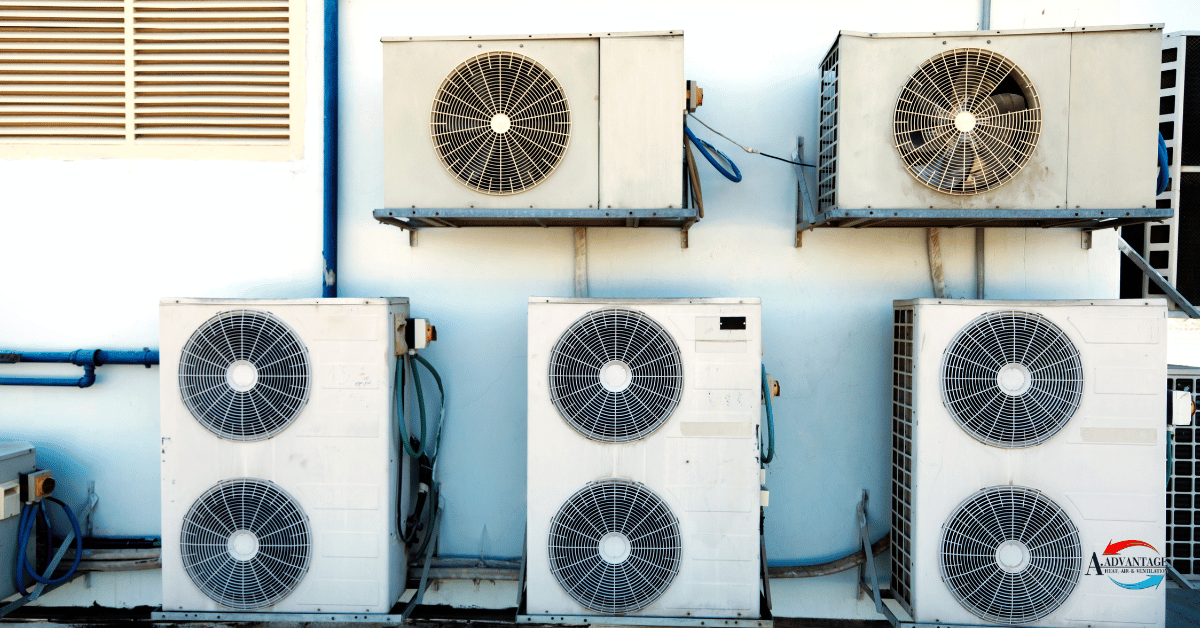
Essential Maintenance Tasks for RTUs
Maintaining rooftop units involves a mix of DIY cleaning and professional HVAC service. Some vital maintenance tasks include:
- Filter replacement: Replace filters every 1–3 months to prevent clogged filters and maintain airflow.
- Coil cleaning: Evaporator and condenser coils can become dirty; cleaning ensures maximum efficiency.
- Inspection of belts and fans: Prevent wear and tear by inspecting and tightening belts, motors, and fans.
- Checking refrigerant levels: Proper refrigeration charge prevents leaks, protects the compressor, and keeps the unit running efficiently.
- Ductwork inspection: Regular inspection and cleaning of ductwork improves airflow and reduce energy costs.
Following this checklist ensures small issues don’t damage the unit or shorten its lifespan.
Benefits of Routine Rooftop Maintenance
Routine maintenance of commercial rooftop HVAC systems provides measurable savings and comfort benefits:
- Extended lifespan: A well-maintained rooftop unit avoids premature replacement.
- Lower energy bills: Regular maintenance tasks help save on energy costs.
- Improved comfort: Balanced airflow keeps temperatures consistent.
- Fewer emergency repairs: Preventative maintenance reduces the risk of sudden breakdowns.
- Healthier indoor air: Less dirt and debris means cleaner ventilation and better air quality.
For any building owner, these benefits mean saving money in the long run and keeping employees protected from safety hazards.
Professional vs DIY Service
While office staff can perform basic upkeep like filter cleaning and visually inspecting the unit, some HVAC needs must be handled by a professional HVAC company:
- DIY tasks: Changing air filters, clearing debris from around the rooftop unit, and visually inspecting for clog or unusual noise.
- Professional HVAC tasks: Refrigerant checks, compressor testing, coil cleaning inside the unit, and preventative maintenance inspections.
Calling a trusted HVAC contractor ensures proper inspection, repair, and maintenance of commercial rooftop units.
When to Schedule Rooftop Unit Service
Most rooftop units need professional HVAC maintenance at least twice a year, usually in spring and fall. However, older RTUs or heavily used HVAC systems may need more frequent service. Scheduling a professional inspection helps keep the unit protected from safety hazards and ensures peak performance year-round.
Warning Signs Your Rooftop Unit Needs Repair
Building owners should contact a technician immediately if they notice:
- Energy bills rising unexpectedly.
- Uneven heating or cooling across the office.
- Loud vibrations or strange noises from the rooftop.
- Unit runs irregularly or shuts down.
- Poor airflow or signs of clogged filters.
These common problems, if ignored, could damage the unit and lead to more significant problems.
Choosing the Right HVAC Company
A professional HVAC contractor with commercial HVAC experience is essential for maintaining rooftop HVAC units. Look for:
- Licensed and insured HVAC technicians.
- Knowledge of packaged RTUs and commercial HVAC rooftops.
- Proper maintenance of commercial HVAC systems.
- Transparent pricing, repair, and installation service plans.
- Emergency service availability.
Partnering with a trusted HVAC company ensures your rooftop unit is well-maintained and energy-efficient.
Rooftop Unit Maintenance Checklist
Here’s a quick checklist for maintaining rooftop units in commercial buildings:
- Replace air filters on schedule.
- Perform inspection and cleaning of coils.
- Inspect ductwork for leaks or damage.
- Check refrigerant and compressor levels.
- Clean condenser coils and evaporator coils.
- Inspect belts, motors, and fans.
- Schedule a professional inspection at least twice annually.
This simple routine maintenance plan helps avoid costly rooftop maintenance and extends unit lifespan.
Conclusion
Rooftop units are reliable HVAC solutions for commercial buildings and small offices, but only if routine maintenance is prioritized. From filter cleaning to professional inspection and repair, rooftop maintenance ensures maximum efficiency, lowers energy bills, and keeps the unit protected from harsh weather conditions.
By working with a trusted HVAC contractor, small offices can keep their rooftop HVAC unit well-maintained, avoid premature wear, and ensure their air conditioning system continues to deliver peak performance for years to come.